


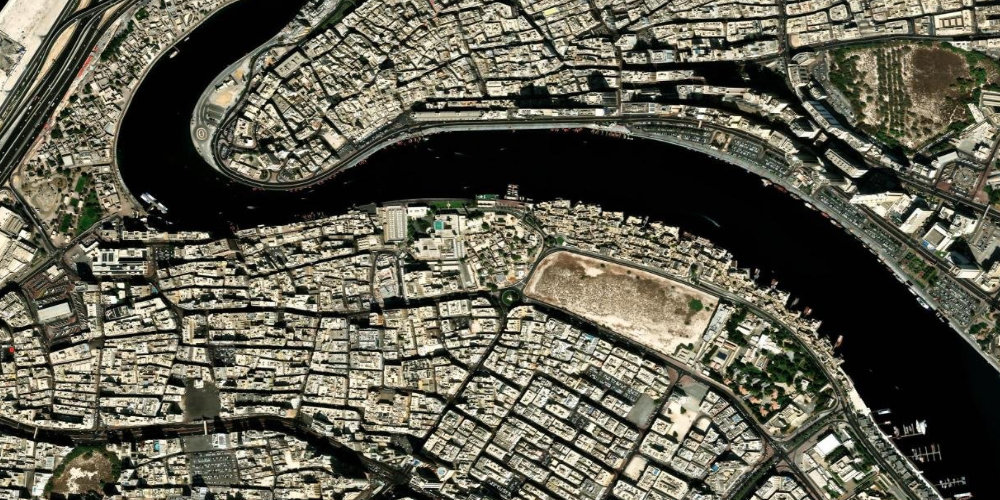
Al Fahidi Historical Neighbourhood
Al Fahidi Historical Neighbourhood
Dubai's oldest surviving quarter: a maze of narrow lanes, houses built of coral and clay, and the distinctive wind towers (barjeel).
Description
Al Fahidi — historically known as Bastakiya — was built in the late 19th and early 20th centuries by wealthy pearl and textile merchants, many of them from the Iranian town of Bastak. Today it is one of the few corners of Dubai that still feels like the city before the oil boom: mud-brick walls, wooden doors and wind towers that served as the ancient equivalent of air conditioning.
The restored houses now hold small museums, art galleries, craft workshops, coffee shops and the Sheikh Mohammed Centre for Cultural Understanding, which runs programmes introducing Emirati traditions. The quarter sits next to the Dubai Creek waterfront and pairs naturally with an abra ride across to the traditional souks of Bur Dubai.
Tip: Come early in the morning or towards sunset — by midday the narrow lanes are hot and there is almost no shade.
Planning your visit
Best time
Early morning or evening; the cool season runs November to March.
How much time to allow
1.5–3 hours.
Tickets & prices
Prices are approximate and depend on the slot and conditions — check when buying.
On the map
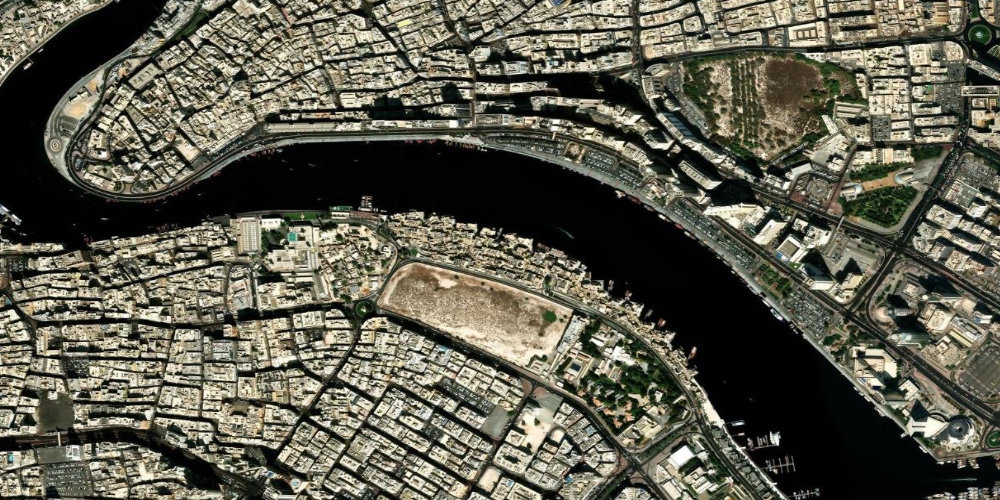
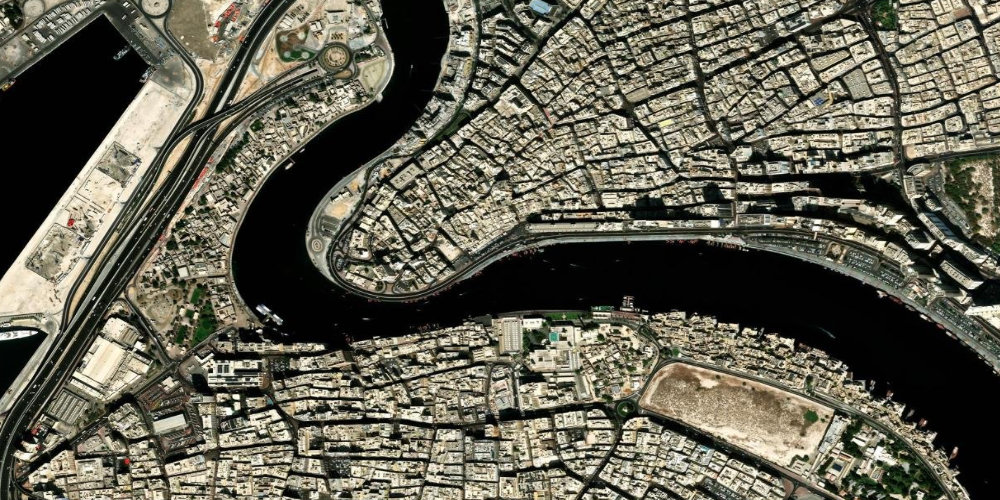
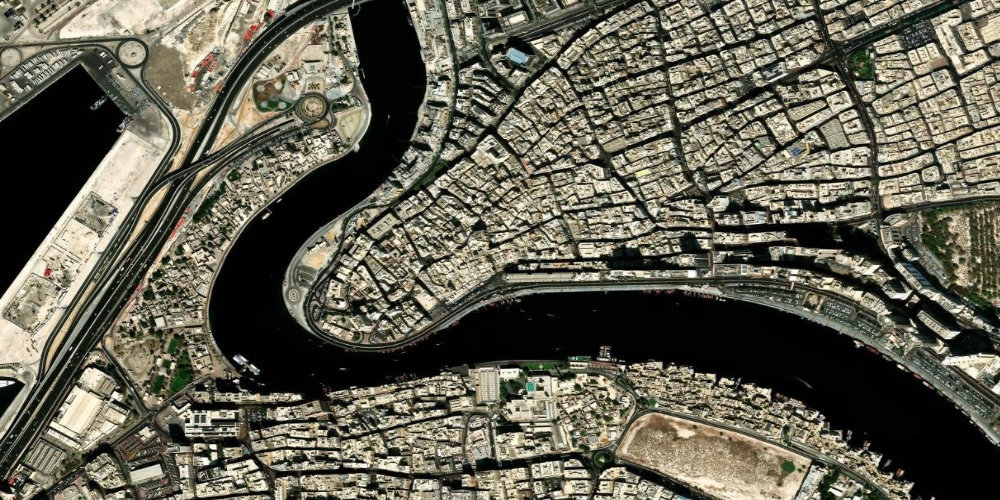
Interactive satellite map — zoom and pan to explore the place and its surroundings.
Good to know
How to get there
Frequently asked questions about Al Fahidi Historical Neighbourhood
Do you have to pay to enter Al Fahidi?+
Walking around the quarter itself is free. You only pay to enter individual museums and exhibitions or to join programmes and workshops.
How much time should I allow?+
An unhurried walk plus a couple of galleries takes 1.5–2 hours; add lunch and a cultural programme and it becomes half a day.
What else is nearby?+
The Dubai Museum in Al Fahidi Fort, the Dubai Creek waterfront, the abra crossing and the traditional souks of Bur Dubai and Deira.
What's nearby
Nearby spots — easy to combine into one route.
 Entertainment
 Museum of Illusions
An interactive museum of optical illusions and puzzles in the historic Al Seef area by Dubai Creek.
Tip: Bring a phone or a camera — almost every exhibit is built for entertaining photographs.
 Culture
 Spice Souk
A colourful spice market in Deira with saffron, tea, incense, nuts and dried fruit.
Tip: Taste before you buy and haggle — it is perfectly normal here.
 Culture
 Gold Souk
A famous gold market in Deira with hundreds of jewellery shops, where haggling is the norm.
Tip: The price is made up of the weight of the metal plus the workmanship — haggle, the first price is always inflated.
Similar places
 Culture
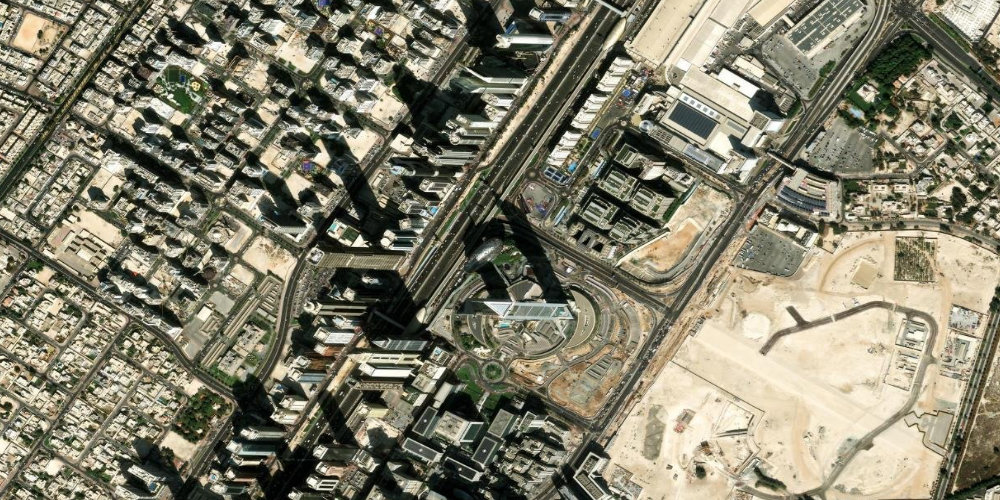
 Museum of the Future
A ring-shaped building with Arabic calligraphy on its facade. Inside — immersive exhibitions about the future.
Tip: Tickets sell out days ahead — book online.
 Culture
 Dubai Creek
A historic sea artery dividing Deira and Bur Dubai. This is where the city began.
Tip: Crossing the creek by abra boat costs a symbolic 1 dirham.
 Culture
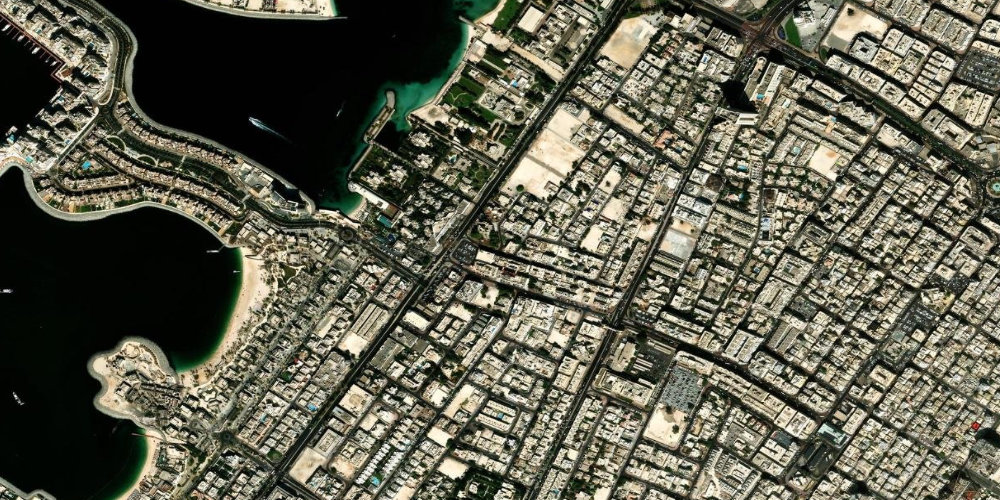
 Jumeirah Mosque
One of the city's most beautiful mosques and the only one open to non-Muslims as part of guided tours.
Tip: Modest, covered clothing is required; a headscarf is provided to women on site.